



Managing a bank account from a phone sounds simple until everyday money tasks start competing for your attention. I reviewed Regions Bank as a mobile finance app with that practical problem in mind: checking an account, moving money, paying a bill, and confirming whether a transaction actually went through without turning each task into a separate chore. My overall impression is that it is most useful when it becomes part of a repeatable banking routine rather than an app I open only during emergencies.
Developed by Regions Bank, the app is free and aimed at general banking customers. It has an Everyone content rating, requires iOS or Android 11 or newer, and is currently at version 8.7.0.1. Those details matter because a banking app is only helpful if the phone can run it reliably and the user is comfortable completing financial tasks on a small screen.
How I use Regions Bank for everyday banking
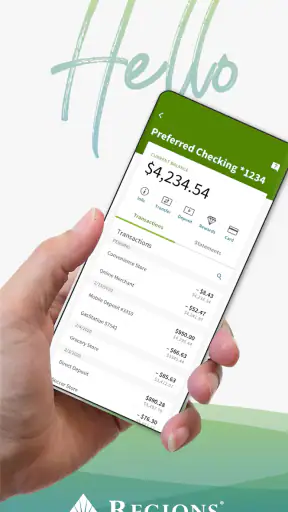
My baseline workflow starts with a quick account check rather than immediately searching through menus. I first look for recent activity, then confirm the available balance before making a payment or transfer. This order is more useful than relying on memory, especially when pending card activity may affect what I can safely spend.
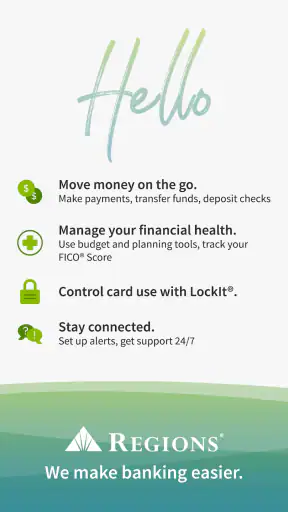
The app’s main appeal is that it brings ordinary Regions banking tasks into one place. Instead of waiting until I am at a computer, I can handle a short check while away from home. That is particularly convenient for confirming whether a deposit has appeared, reviewing a recent purchase, or checking that a scheduled payment is still in place.
I found that the app works best when I treat it as a confirmation tool, not merely a transaction launcher. After making a payment or transfer, I return to the activity view and verify the resulting entry. That small habit reduces the chance of assuming something succeeded just because I tapped a final button.
A realistic example is a busy weekday when a utility payment is due. I can open the app, review the account balance, make the payment through the available banking workflow, and then check the activity screen before moving on. If the transaction is not immediately reflected in the way I expect, I know to investigate rather than submit it again and risk duplicating the payment.
That kind of caution is important with any financial app. A phone interface encourages quick taps, but money management benefits from slowing down for a few seconds. I recommend checking the destination account, amount, and timing every time, especially when moving money between accounts or paying a bill with a deadline.
What makes the routine manageable
The strongest part of the experience is not a flashy feature; it is the reduced friction of having familiar banking actions available in a compact interface. Regions Bank is designed for customers who already use Regions services and want a mobile extension of that relationship. If your accounts are elsewhere, the app has little reason to become part of your daily routine.
I also appreciate the distinction between checking information and taking action. Looking at a balance is low commitment, while submitting a payment or transfer has consequences. Keeping those steps mentally separate makes the app easier to use responsibly. I suggest opening the account overview first, deciding what needs to happen, and only then entering the relevant action.
For someone who prefers paper statements, branch visits, or desktop banking, the app may feel less natural at first. The screen is smaller, and financial details can require more scrolling and careful reading. I would not choose mobile banking as my only method if I regularly need long records, extensive document review, or a wide overview of several accounts at once.
Settings and habits worth checking
Experienced use begins with the phone itself. I keep the operating system supported, use a screen lock, and avoid handling sensitive banking tasks on an untrusted device. Those are not glamorous tips, but they are more valuable than chasing speed when the app is connected to real money.
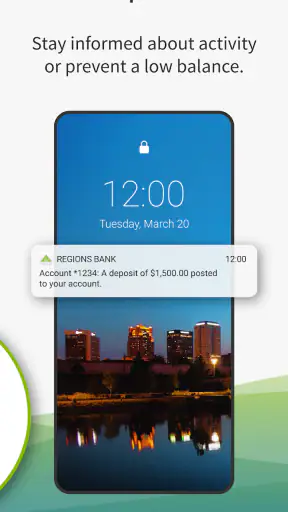
I also review the app’s available settings instead of accepting every default without thought. Notification controls deserve particular attention. Alerts can help me notice activity quickly, but too many notifications become background noise. I prefer a setup that makes meaningful account events visible without turning every routine update into an interruption.
Another useful habit is checking how the app displays account activity after a transaction. A pending item and a completed item do not always carry the same practical meaning. I do not treat a pending entry as identical to a final posting, and I avoid making another payment simply because the first one has not settled visibly yet.
Security choices should remain personal and deliberate. I use the strongest sign-in method available on my device that I can operate consistently, and I avoid saving sensitive information in casual notes or screenshots. If the phone is shared with someone else, I would be especially careful about leaving the account open or allowing financial notifications to appear on the lock screen.
The best setting is the one that helps me notice important activity without encouraging careless tapping. That principle applies to alerts, sign-in convenience, and the amount of information shown in previews. Faster access is useful, but not if it makes private account details visible to anyone who picks up the phone.
Repeatable patterns that save time
I have found that the fastest users do not necessarily navigate quickly; they remove unnecessary decisions. Before opening the app, I know whether I am checking activity, reviewing a balance, paying a bill, or moving money. That simple intention keeps me from wandering through unrelated screens.
For recurring tasks, I use a consistent sequence: check the account, confirm the amount, complete the action, and verify the resulting activity. Repeating the same sequence makes mistakes easier to spot. It also helps when the app’s layout changes between releases, because I am following a banking process rather than memorizing every visual detail.
Checking activity before a payment is especially useful near the end of a billing cycle. A charge that I forgot about may already be pending, and that can change how much money is safely available. The app is more valuable when I use it to make a decision with current information instead of treating the displayed balance as a complete picture of every obligation.
I also avoid batching unrelated actions when I am distracted. Paying one bill and moving money in the same rushed session may seem efficient, but it increases the chance of selecting the wrong account or entering an incorrect amount. A short pause between tasks is a better trade-off than correcting a preventable error later.
For deposits or other account changes, I make a note of what I expect to see and then check the account activity afterward. This creates a simple personal audit trail. I am not relying on the app to remember why I made a transaction; I am using it to confirm that the account reflects what I intended.
Where mobile convenience reaches its limits
Regions Bank is not a replacement for every form of banking support. A mobile interface is excellent for short, repeatable actions, but it is less comfortable for complicated situations involving disputed transactions, unclear account history, or questions that require a detailed conversation. When the issue is unusual or financially serious, I would rather contact the bank directly than keep trying different buttons.
The app also depends on the quality of the phone, connection, and user attention. A slow device, weak signal, or expired session can make a simple task feel uncertain. I never repeat a transaction automatically after an interruption. First I check the account activity and determine whether the action was accepted.
Small screens create another limitation. Reviewing a long sequence of transactions is possible, but it is not as comfortable as using a desktop browser. If I need to compare several entries, keep detailed records, or inspect information side by side, a larger screen is the better tool. The app is strongest for immediate awareness and routine control, not deep financial analysis.
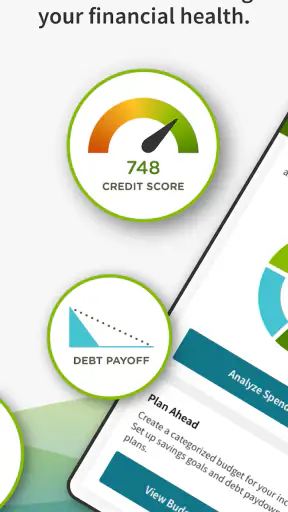
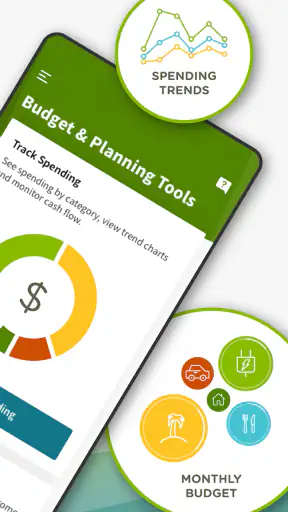
There is also a natural boundary between banking access and financial planning. Regions Bank can help me see and manage activity connected with my Regions relationship, but I would not expect it to replace a full budgeting system, a spreadsheet, or advice from a qualified professional. Someone seeking detailed spending projections or broad account aggregation may prefer a dedicated finance tool, provided they are comfortable with its separate privacy and security considerations.
Customers who do not bank with Regions should skip this app rather than install it hoping for a general-purpose money manager. Its value comes from the connection to Regions Bank services. Likewise, people who strongly prefer branch-based banking may find that the mobile workflow adds little to their habits.
How it compares with common alternatives
Compared with desktop online banking, the mobile app wins for immediacy. I can check a recent transaction while away from a computer and respond to a routine need without waiting until I am home. Desktop banking remains preferable when I want a broader view, more room for records, or a calmer setting for complicated account work.
Compared with visiting a branch, the app is more convenient for ordinary self-service. It avoids travel and works around a busy schedule. A branch or direct support channel is still the better choice for identity questions, unusual account problems, or situations where I need human guidance rather than a transaction screen.
Compared with independent budgeting apps, Regions Bank offers a more direct relationship with the bank account itself. That can make it the safer-feeling choice for basic account management because I am not adding another service to the workflow. A specialized budgeting app may offer stronger planning tools, though, so I would not use Regions Bank alone if my main goal were detailed household budgeting across many institutions.
Compared with a mobile browser, a dedicated app generally feels better suited to quick repeat visits. The important advantage is not that every task becomes effortless; it is that the banking workflow is already framed for a phone. Even so, I would keep the browser or desktop option available for the occasions when the app’s compact presentation is not enough.
Who should use it and who should think twice
I recommend Regions Bank to existing Regions customers who want practical mobile access for balances, activity checks, payments, and transfers. It is also a sensible fit for people who are willing to build careful habits around confirmation and security rather than treating mobile banking like a casual shopping app.
It is less suitable for someone looking for a universal finance dashboard, a sophisticated budgeting platform, or a tool that makes banking decisions automatically. It is also not the right choice for a person whose phone cannot run Android or iOS 11 or newer, or for anyone who does not have a Regions banking relationship to manage.
The app’s broad adoption suggests that it has become a familiar option for many customers: it holds a 4.4 average from around 128 thousand ratings and has passed five million installs. I view those figures as useful context, not a guarantee that every user will have the same experience. Banking needs vary, and reliability for one person’s routine does not prove that the app is ideal for a more complex situation.
It is free to download, which lowers the barrier to trying it if you already use Regions Bank. I still judge a finance app by the time and confidence it saves, not simply by its price. A free app that encourages duplicate payments or careless sign-ins would be a poor bargain; this one rewards users who slow down at the right moments.
My verdict after building a routine around it
Regions Bank is at its best as a dependable daily banking companion, not as an all-purpose financial command center. I like it for quick account awareness and repeatable banking actions, especially when I check activity before acting and verify the result afterward. Those habits turn a basic mobile interface into something genuinely useful.
The limitations are equally clear. The phone format is not ideal for deep record review, complicated disputes, or broad financial planning. Users outside the Regions ecosystem should look elsewhere, and customers who prefer personal assistance may still need a branch or direct support. The app does not remove the responsibility of reading amounts, checking destinations, and understanding transaction status.
Regions Bank has been available since August 24, 2012, and the current version is 8.7.0.1. That long presence and ongoing versioning make it feel like an established banking tool rather than a temporary experiment. My recommendation is straightforward: if you bank with Regions and want convenient control from a supported phone, it is worth using. Set up sensible notifications, follow the same confirmation sequence every time, and switch to a larger screen or human support whenever the situation becomes more complicated than a routine transaction.


